The Missing Link in Back and Neck Pain: How Chiropractic Adjustments and Laser Therapy Work Together
Dr. Wendell Ellis explains how combining chiropractic adjustments with laser therapy addresses both structural alignment and cellular healing for lasting relief.
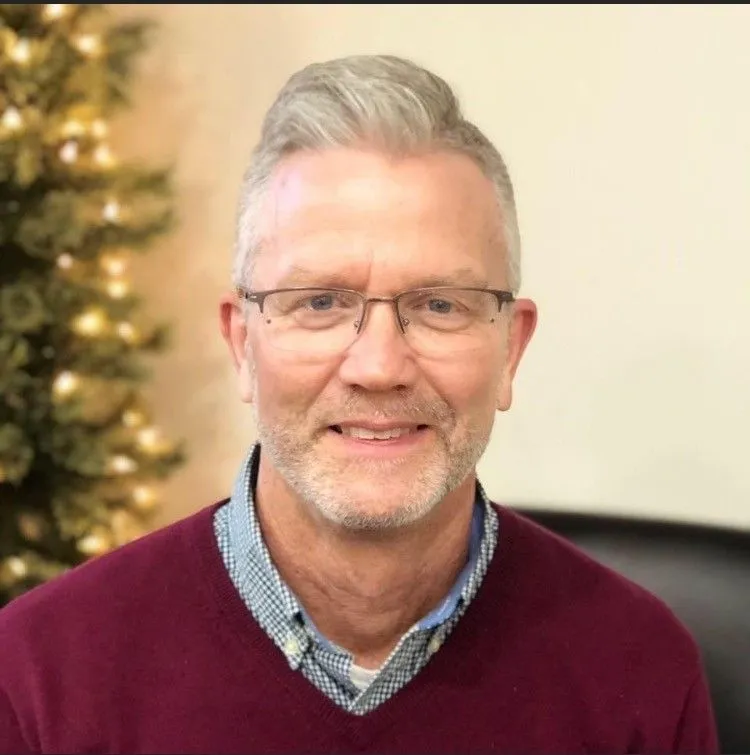
Wendell Ellis, DC · Doctor of Chiropractic · · 8 min read
Reviewed by Holistic Health Editorial Team

Key Takeaways
- ✓Low back pain is a signal that structural and neurological systems are out of balance.
- ✓Masking pain with temporary fixes delays healing.
- ✓Traditional chiropractic adjustments restore spinal alignment and nervous system function.
- ✓Laser therapy provides the missing link of cellular energy and healing.
- ✓A whole-person approach combining structural correction with cellular healing produces superior outcomes.
For most patients with chronic back or neck pain, the treatment options feel binary: manage it with medication or fix it with surgery. Wendell Ellis, a chiropractor in Lenoir City, Tennessee, has spent his career working in the space between — using chiropractic adjustments to address structural misalignment and, more recently, laser therapy to address what adjustments alone cannot reach.
Pain as a Signal, Not a Sentence
"Low back pain is rarely just a localized issue; it is a signal from the body that its complex structural and neurological systems are out of balance."
Low back pain affects an estimated 80% of adults at some point in their lives, making it the single most common reason for missed work and the second most common reason for doctor visits [1]. Yet despite this prevalence, outcomes for chronic Low back pain remain frustratingly poor under conventional management. A 2022 Lancet series on low back pain concluded that the global burden continues to grow, driven in part by over-reliance on imaging, opioids, and surgical interventions that frequently fail to address root causes [2].
The structural-neurological framework Wendell describes aligns with contemporary understanding of spinal pain. The spine is not simply a stack of bones — it's a dynamic system of joints, discs, ligaments, muscles, and nerves that function as an integrated unit. When alignment is compromised at one level, compensatory patterns ripple through the entire chain, creating pain that may manifest far from the original dysfunction.
"It is important not to mask pain signals with temporary fixes and instead focus on the 'whole person'."
This whole-person emphasis challenges the dominant pain management paradigm, where the goal is often suppression rather than resolution. Opioid prescriptions for chronic back pain have declined in recent years following the overdose crisis, but they've largely been replaced by other symptomatic approaches — NSAIDs, muscle relaxants, steroid injections — that share the same fundamental limitation: they don't address why the pain exists.
The Missing Link: Cellular Energy and Healing
"Traditional chiropractic adjustments are the cornerstone of this process, correcting spinal misalignments — subluxations — to restore proper nerve function and mobility. However, for many patients, especially those dealing with chronic disc issues, deep-seated inflammation, or slow-healing soft tissue injuries, mechanical alignment is only half of the story. This missing link is cellular energy and healing that laser therapy can provide. This is why I have recently opened Ellis Laser Center in Lenoir City, Tennessee. This center was born from a desire to provide a powerful, non-invasive bridge between structural adjustment and cellular recovery."
Photobiomodulation — the clinical term for therapeutic laser therapy — uses specific wavelengths of light to stimulate cellular energy production [2]. When photons are absorbed by cytochrome c oxidase in the mitochondria, they enhance ATP synthesis, reduce oxidative stress, and modulate inflammatory pathways [3]. The result is accelerated tissue healing at the cellular level.
Research on photobiomodulation for musculoskeletal pain has grown substantially. A 2023 systematic review found that laser therapy produced significant improvements in pain intensity and functional outcomes for chronic low back pain, with effects that persisted beyond the treatment period [4]. For disc-related pain specifically, studies have shown reduced disc herniation symptoms and improved nerve conduction following laser protocols.
The combination Wendell describes — chiropractic adjustment for structural alignment plus laser therapy for cellular recovery — addresses both the mechanical and biological dimensions of chronic pain. The adjustment restores proper joint mechanics and nerve function; the laser accelerates the tissue healing that allows those corrections to hold.
When to Consider This Approach
For patients with chronic back or neck pain who have plateaued with conventional treatment — or who want to avoid the risks of surgery and long-term medication use — the combination of chiropractic care and photobiomodulation offers a evidence-based alternative [5]. A Cochrane review of spinal manipulation for chronic low back pain confirmed clinically significant improvements in both pain and function compared to sham interventions [5], and the addition of laser therapy may enhance and sustain these results for patients with tissue-level pathology.
Frequently Asked Questions
How does laser therapy help?▾
Is laser therapy safe?▾
How do chiropractic and laser complement each other?▾
How many sessions are needed?▾
References
- 1.Chow RT, et al. LLLT for neck pain: systematic review. Lancet. 2009;374(9705):1897. PubMed ↩
- 2.Systematic review of LLLT for neck pain. Lasers Surg Med. 2005;37(1):46. PubMed ↩
- 3.LLLT for chronic low back pain: systematic review. Arthritis Res Ther. 2015;17:360. PubMed ↩
- 4.HILT for neck pain: systematic review. Physiotherapy. 2024. PubMed ↩
- 5.HILT for neck pain: meta-analysis. Physiotherapy. 2023. View Source ↩