The Body Keeps the Score: Paul Kerzner on Why Anxiety Lives in Your Nervous System, Not Just Your Mind
Acupuncturist Paul Kerzner explains why stress and anxiety get stored in the body as physical patterns — and why calming the nervous system is the key to lasting relief.
Paul Kerzner, L.Ac · Licensed Acupuncturist, Above & Beyond Acupuncture Scottsdale · · 8 min read
Reviewed by Holistic Health Clinical Team, Clinical Review Board

Key Takeaways
- ✓Stress and anxiety are not just mental — they show up physically as tension, poor sleep, digestive issues, and nervous system dysregulation.
- ✓The body adapts to constant stress and begins treating it as normal, even when the nervous system is stuck in fight-or-flight.
- ✓You cannot always think your way out of anxiety — if the nervous system is stuck, the body needs to be part of the solution.
- ✓Acupuncture works by calming the nervous system, improving circulation, and helping the body shift out of a chronic stress response.
- ✓When the body begins to regulate, patients don't just feel less anxious — they sleep better, think more clearly, and feel more like themselves.
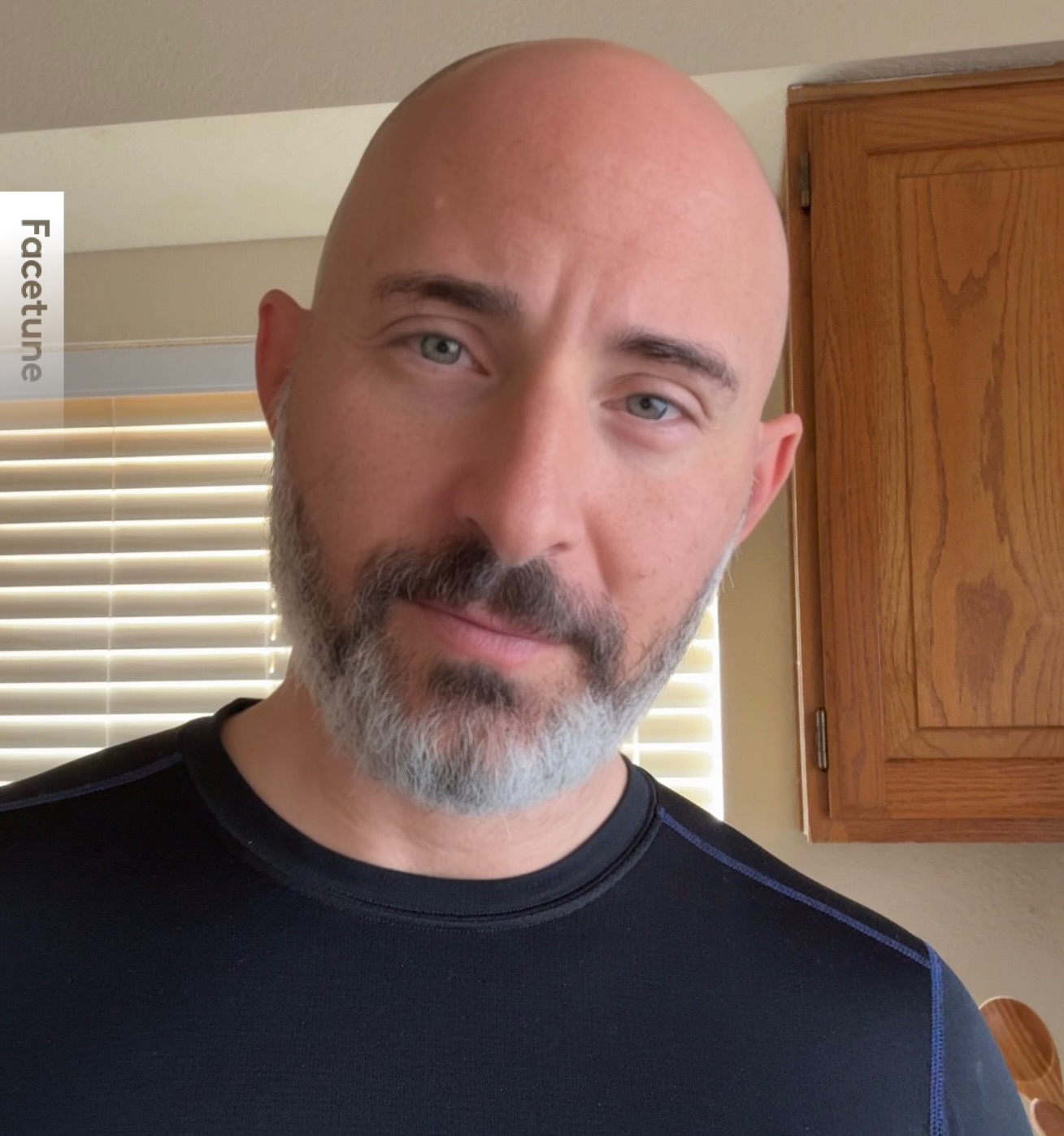
Paul Kerzner doesn't ask his anxiety patients what they're worried about. He asks where they feel it. The jaw. The shoulders. The pit of the stomach. The spot between the shoulder blades that never fully releases. After thirteen years specializing in stress, anxiety, and depression, he's learned that the entry point isn't the thought — it's the body.
Kerzner is a licensed acupuncturist in Scottsdale, Arizona, where he runs Above & Beyond Acupuncture. He also hosts the podcast "Are You Being Present?" — a reflection of his clinical philosophy that awareness and regulation, not just symptom suppression, are the path out of chronic stress patterns.
Where Stress Lives
"Stress and anxiety are not just mental — they show up physically in the body as tension, poor sleep, digestive issues, and nervous system dysregulation. Most conventional approaches focus on managing symptoms, but they often miss how deeply the body is holding the stress pattern."
"Holding the stress pattern" — that phrase captures something neuroscience has increasingly validated. Research on autonomic nervous system regulation shows that chronic psychological stress produces measurable physiological changes: elevated baseline cortisol, reduced heart rate variability, and sustained sympathetic nervous system activation that persists even when the original stressor is gone.[5] The body doesn't just experience stress — it learns it.
A systematic review of acupuncture for anxiety found consistent evidence that treatment produces clinically meaningful reductions in anxiety symptoms, with effects mediated through autonomic nervous system modulation rather than purely psychological mechanisms.[1] What Kerzner sees in practice — patients whose anxiety manifests as insomnia, IBS, chronic neck tension — aligns precisely with what the research describes: a nervous system stuck in threat mode, expressing itself through every system it touches.
The Body Needs to Be Part of the Solution
"Most people don't realize that stress and anxiety are not just in the mind — they are patterns that get stored in the body. Over time, the body adapts to that constant stress state, and it starts to feel normal even when it's not. What people often miss is that you can't always think your way out of it. If the nervous system is stuck, the body needs to be part of the solution."
"You can't always think your way out of it" — this challenges the dominant paradigm of talk therapy as the primary intervention for anxiety. Research on central autonomic regulation demonstrates that acupuncture directly modulates the balance between sympathetic and parasympathetic nervous system activity, producing measurable shifts in heart rate variability, cortisol output, and vagal tone.[2] These are physiological changes that cognitive approaches alone may not produce.
The bidirectional relationship between sleep, stress, and metabolic function further supports Kerzner's whole-body approach. A review in Sleep Science documented how chronic stress disrupts sleep architecture, which further dysregulates the HPA axis, which amplifies anxiety — a self-reinforcing cycle that purely psychological interventions struggle to break.[4] When Kerzner talks about releasing the pattern the body is holding, he's describing an intervention at the physiological level of that cycle.
When the Body Begins to Regulate
"When you start working with the body — calming the system and releasing that stored tension — things begin to shift in ways that surprise people. When the body begins to regulate, patients don't just feel less anxious — they sleep better, think more clearly, and feel more like themselves again."
The cascade Kerzner describes — anxiety improving alongside sleep, cognition, and sense of self — is exactly what the literature on acupuncture and anxiety predicts. A comprehensive review found that acupuncture's effects on anxiety extend beyond symptom reduction to improvements in sleep quality, cognitive function, and overall well-being, consistent with systemic nervous system regulation rather than targeted symptom suppression.[3]
For anyone who has tried to meditate, journal, or talk their way through anxiety that still comes back — Kerzner's framework offers a different question. Instead of asking what you're anxious about, ask where your body is holding it. The best practitioners for stress and anxiety understand that the nervous system has its own memory, its own patterns, and sometimes its own timeline for healing. Meeting it where it is — in the body, not just the mind — may be the missing piece.
Frequently Asked Questions
Can acupuncture really help with anxiety?▾
Why does my anxiety feel physical — like tension and stomach problems?▾
How is acupuncture different from medication for anxiety?▾
How long does it take for acupuncture to help with anxiety?▾
References
- 1.Errington-Evans N. Acupuncture for anxiety. CNS Neurosci Ther. 2012;18(4):277-284. PubMed ↩
- 2.Li QQ, et al. Acupuncture Effect and Central Autonomic Regulation. Evid Based Complement Alternat Med. 2013;2013:267959. PubMed ↩
- 3.Pilkington K, et al. Acupuncture for anxiety and anxiety disorders — a systematic literature review. Acupunct Med. 2007;25(1-2):1-10. PubMed ↩
- 4.Hirotsu C, Tufik S, Andersen ML. Interactions between sleep, stress, and metabolism: From physiological to pathological conditions. Sleep Sci. 2015;8(3):143-152. PubMed ↩
- 5.Nicolaides NC, et al. Stress, the stress system and the role of glucocorticoids. Neuroimmunomodulation. 2015;22(1-2):6-19. PubMed ↩