Fix the Terrain, Fix Everything: Matthew Castanho on Why Gut Health Starts With What's Living Inside You
Naturopathic doctor Matthew Castanho explains why identifying and correcting microbial imbalances is the key to resolving gut symptoms and whole-body health.
Matthew Castanho, ND · Naturopathic Doctor, Wholesome Place · · 8 min read
Reviewed by Holistic Health Editorial Team, Editorial Board

Key Takeaways
- ✓Gut dysfunction is most often caused by microbial imbalances — overgrowths or missing beneficial species — not just dietary triggers.
- ✓Targeted identification of problematic organisms through comprehensive testing prevents the trial-and-error cycle of gut health protocols.
- ✓Eradicating pathogens is only half the solution — deliberate reinoculation with strain-specific probiotics is required to prevent recurrence.
- ✓The gut is ground zero for immune, neurological, skin, and respiratory health — fixing the gut fixes downstream systems.
- ✓Not all probiotics are equal — the wrong strains can worsen conditions like SIBO rather than resolve them.
Matthew Castanho doesn't chase symptoms. He chases organisms. While most conventional approaches to digestive complaints focus on suppressing acid, managing motility, or prescribing blanket dietary restrictions, the naturopathic doctor at Wholesome Place in East Hartford, Connecticut, starts with a fundamentally different question: What's living in there that shouldn't be?
It's an approach grounded in microbiology rather than symptom management — one that treats the gut as an ecosystem where the balance of residents determines whether the whole system thrives or breaks down. For Castanho, fixing the terrain means fixing everything downstream. It's also why patients who arrive at his practice after years of inconclusive GI workups — scopes, breath tests, elimination diets — tend to find answers they hadn't found before. Conventional testing rules out pathology. Functional testing maps the terrain. The tools were there all along. The question just had to change.
Finding the Root of the Imbalance
"I find that the key to treating the gastrointestinal tract is to appropriately identify the cause of dysfunction, which is often an overgrowth or imbalance of microbes that reside in the intestines. When these problematic organisms are eradicated and the appropriate probiotics are instated, most of the downstream symptoms resolve."
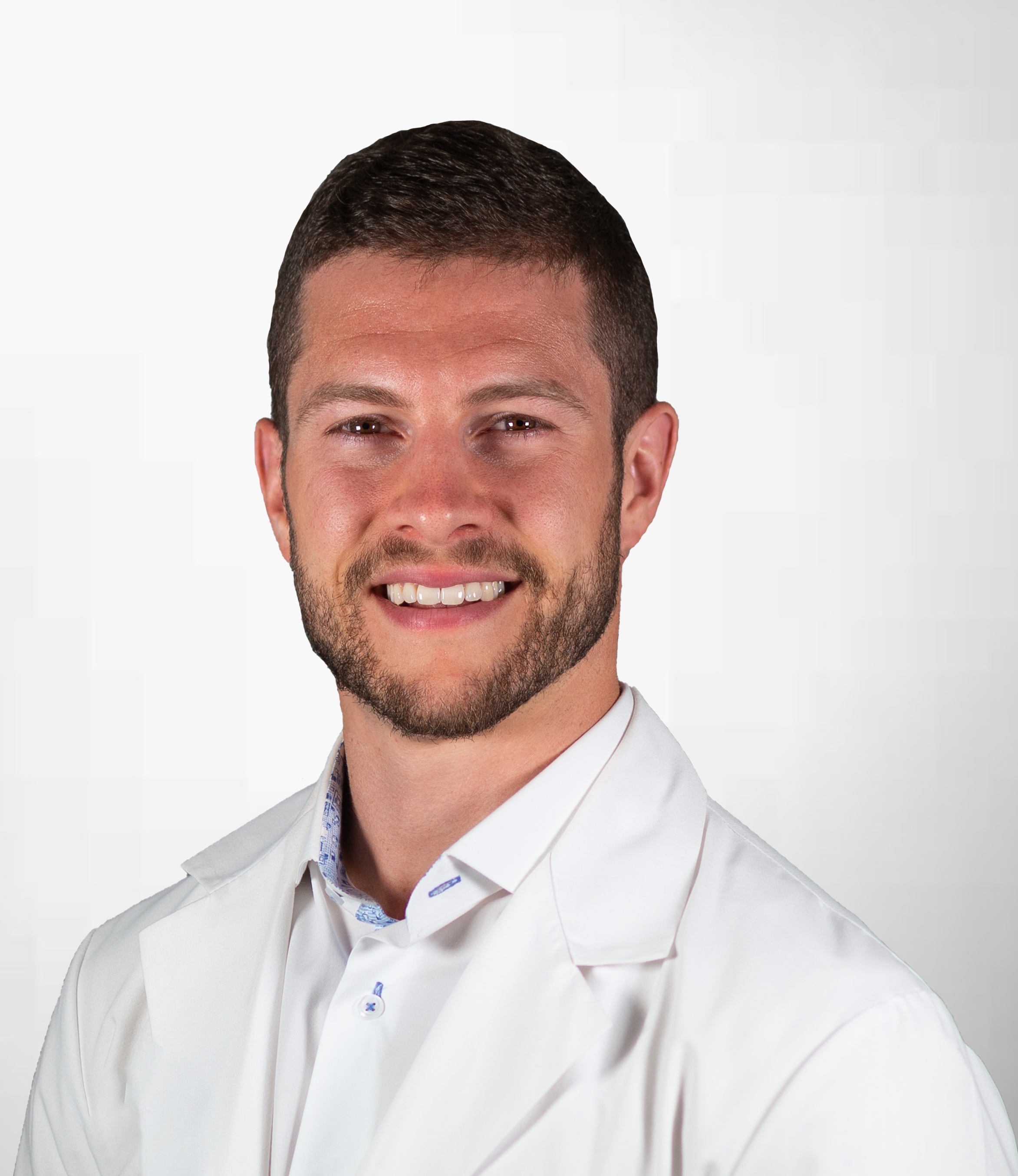
Castanho's framework — identify, eradicate, reinoculate — is deceptively simple, but it reflects a sophisticated understanding of gut dysbiosis that conventional gastroenterology frequently bypasses. Standard care typically responds to symptoms like bloating, irregular bowel movements, or reflux with medications that address the output without investigating the input. Proton pump inhibitors suppress acid. Laxatives force motility. Antispasmodics quiet cramping. None of these ask why the system malfunctioned in the first place. And because they don't, the dysfunction continues — quieter on the surface, louder downstream, showing up months or years later as fatigue, skin flares, mood disruption, or an immune system that can't hold the line.
The research supports Castanho's microbial-first approach. A 2021 meta-analysis in Clinical Gastroenterology and Hepatology demonstrated that targeted antimicrobial treatment for small intestinal bacterial overgrowth produced significant and sustained symptom improvement compared to symptom-based management alone.[1] The key word is targeted — not broad-spectrum antibiotics, but specific interventions guided by comprehensive testing like the GI-MAP, which identifies exactly which organisms are overrepresented and which beneficial species are depleted.
This precision matters because not all dysbiosis is the same. A patient with hydrogen-dominant SIBO requires a fundamentally different protocol than one harboring a candida overgrowth or a parasitic infection. Candida, for instance, can be the hidden driver behind chronic fatigue, brain fog, and sugar cravings that no elimination diet has resolved — not because diet is irrelevant, but because the fungal overgrowth itself creates the craving cycle. Castanho's insistence on identification before treatment prevents the trial-and-error approach that leaves so many gut health patients cycling through supplements and diets without resolution. Working with a practitioner trained in gut dysbiosis who orders the right tests upfront can compress years of frustration into months of actual progress.
There's also the weight dimension, which surprises patients who didn't connect their gut to the scale. SIBO can drive weight gain through several mechanisms: altered bile acid metabolism, increased intestinal permeability that triggers systemic inflammation, and disruption of the hormones leptin and ghrelin that regulate hunger. When SIBO is treated and resolved, metabolic markers often improve alongside GI symptoms — not because of caloric restriction, but because the microbial interference was removed. That's the terrain theory made concrete.
Stool testing also reveals patterns that breath tests miss. Certain bacterial species — Klebsiella pneumoniae, Pseudomonas aeruginosa, elevated H. pylori — may be present well below the threshold of acute infection yet still generate enough endotoxin to compromise barrier function and sustain a low-grade inflammatory state. Markers of digestive sufficiency matter too: low secretory IgA signals immune suppression at the mucosal level; elevated anti-gliadin antibodies suggest gluten is triggering an immune response even without celiac disease on the biopsy. Castanho's approach treats the whole microbial picture, not just the most dramatic finding. It's a more expensive workup than a standard stool culture — but a far less expensive path than years of inconclusive symptom management.
The Gut as Ground Zero
"Everything starts in the gut! Dermatologic manifestations, proclivity to asthma and allergies, neurological function, immune competency, food sensitivities of course, and so much more. Proper gut health is essential to all health."
This isn't hyperbole — it's immunology. Approximately 70-80% of the body's immune tissue resides in the gut-associated lymphoid tissue (GALT), making the intestinal tract the largest immune organ in the body.[2] When the intestinal barrier is compromised — whether by dysbiosis, inflammation, or increased permeability — the immune consequences ripple outward to virtually every organ system. The connection between a permeable gut lining and systemic autoimmunity is one of the more striking frontiers in contemporary medicine: research now links leaky gut to autoimmune disease across conditions as varied as Hashimoto's thyroiditis, rheumatoid arthritis, and multiple sclerosis, with intestinal permeability preceding the clinical diagnosis in some cases by years.
The dermatologic connection Castanho references is well-documented. The gut-skin axis describes a bidirectional communication pathway where intestinal inflammation triggers systemic immune activation that manifests as eczema, psoriasis, acne, and rosacea. A 2018 review in Frontiers in Microbiology found that patients with inflammatory skin conditions consistently showed altered gut microbiome compositions compared to healthy controls.[3] Treating the skin topically while ignoring the microbial driver is like mopping a floor while the faucet runs — you get temporary improvement, but the source is still active.
Pain is another signal that gets misread when the gut is out of balance. The relationship between gut microbiome and chronic pain runs through multiple channels: dysbiosis increases visceral hypersensitivity via the enteric nervous system, disrupts the gut-brain axis that regulates pain perception, and generates inflammatory cytokines that sensitize peripheral pain receptors. Patients with fibromyalgia, migraine, and even joint pain frequently have co-occurring gut dysfunction — not by coincidence, but by mechanism.
Food sensitivities — one of the most misunderstood presentations in functional medicine — often trace back to the same compromised terrain. When the epithelial barrier loses integrity, partially digested food proteins pass into the bloodstream and trigger immune responses that wouldn't occur in a healthy gut. The result is a growing list of reactive foods that feels arbitrary but is actually the immune system responding rationally to abnormal antigen exposure. One underappreciated piece of this puzzle is oxalate sensitivity: certain gut bacteria (particularly Oxalobacter formigenes) are responsible for breaking down dietary oxalates. When those bacteria are depleted by dysbiosis or antibiotic exposure, oxalate absorption skyrockets — driving symptoms like joint pain, kidney stones, and vulvodynia that rarely get traced back to gut health in a conventional workup.
The neurological dimension is equally compelling. The gut-brain axis — mediated by the vagus nerve, microbial metabolites, and immune signaling — means that intestinal dysbiosis can directly influence mood, cognition, and neurological function. Short-chain fatty acids produced by beneficial gut bacteria serve as neuromodulators, while pathogenic overgrowths can produce neurotoxic compounds like lipopolysaccharides that cross a compromised blood-brain barrier.[4] Castanho's assertion that "everything starts in the gut" is really a clinical shorthand for a systems biology principle: the gut is the interface between the outside world and the internal environment. When that interface is compromised, the downstream effects are limited only by the number of systems the immune and nervous systems touch — which is all of them.
Rebuilding the Ecosystem
What distinguishes Castanho's approach from many conventional treatments is the second half of his framework: reinoculation. Eradicating problematic organisms is only half the equation. Without deliberately rebuilding the beneficial microbial community, the ecological niche left by removed pathogens will simply be refilled — often by the same organisms, or worse. This is why patients who've done repeated rounds of antibiotics for gut infections frequently find themselves back at square one within months. The kill step happened. The rebuild step didn't.
Gut lining repair runs parallel to microbial reinoculation. The epithelial cells lining the intestine turn over every three to five days, but chronic inflammation and dysbiosis slow that repair cycle significantly. Targeted mucosal support — including L-glutamine for leaky gut, zinc carnosine, and deglycyrrhizinated licorice — helps restore tight junction integrity so the rebuilt microbiome has a healthy surface to colonize. Without that structural repair, even excellent probiotic protocols underperform.
Digestive function itself often needs attention alongside the microbial work. Many patients with chronic dysbiosis have compromised enzyme production — either from the dysbiosis itself damaging brush border enzymes, or from long-term acid suppression reducing the stomach acid signal that triggers pancreatic enzyme release downstream. Understanding how digestive enzymes support gut healing and incorporating targeted enzyme support during the reinoculation phase can significantly improve outcomes, particularly for patients who continue to react to foods even after the antimicrobial phase is complete.
The science of probiotic reinoculation has matured significantly. Strain-specific effects are now well-established: Saccharomyces boulardii for post-antimicrobial recovery and prevention of recurrence, Lactobacillus rhamnosus GG for immune modulation and intestinal permeability, Bifidobacterium infantis for IBS-pattern symptoms and serotonin regulation.[5] Castanho's emphasis on "appropriate probiotics" — not just any probiotic — reflects this evidence. A mismatch between a patient's specific dysbiosis pattern and the probiotic protocol can actually worsen symptoms, particularly in SIBO cases where certain lactobacillus strains may feed the overgrowth rather than correct it.
Dietary scaffolding supports the reinoculation phase but doesn't replace it. Prebiotic-rich foods — Jerusalem artichoke, chicory root, green banana, properly cooked legumes — feed the incoming beneficial species and help them establish competitive advantage over opportunistic organisms. The timing matters: introduce these too early in the eradication phase and you risk feeding the wrong microbes; introduce them during and after reinoculation and they accelerate colonization. Fermented foods like kefir, kimchi, and unsweetened yogurt add live microbial diversity on top of the probiotic protocol — a combination that research suggests produces better microbiome outcomes than supplementation alone. This sequencing is where clinical expertise makes a real difference over self-directed supplementation, and it's why protocol adherence without practitioner guidance so often stalls at the first obstacle.
For patients who have spent years managing gut symptoms without investigating their microbial root cause, Castanho's identify-eradicate-reinoculate framework offers a clear path forward. It's not about suppressing what the gut is telling you. It's about listening to it, understanding what's wrong at the microbial level, and systematically rebuilding the ecosystem from the ground up. The complete picture of gut health — from microbiome diversity to barrier integrity to digestive enzyme function — is what practitioners like Castanho hold in mind while most symptom-based approaches address only one piece at a time. That whole-system view is what makes terrain medicine different. And for patients who've tried everything else, it's often what finally makes the difference.
Frequently Asked Questions
What does a naturopathic doctor look for in gut health testing?▾
Can gut problems cause skin issues like eczema or acne?▾
Why do some probiotics make gut symptoms worse?▾
What is the difference between symptom management and root-cause gut treatment?▾
References
- 1.Pimentel M, et al. ACG Clinical Guideline: Small Intestinal Bacterial Overgrowth. Am J Gastroenterol. 2020;115(2):165-178. PubMed ↩
- 2.Vighi G, et al. Allergy and the gastrointestinal system. Clin Exp Immunol. 2008;153 Suppl 1:3-6. PubMed ↩
- 3.Salem I, et al. The Gut Microbiome as a Major Regulator of the Gut-Skin Axis. Front Microbiol. 2018;9:1459. PubMed ↩
- 4.Cryan JF, et al. The Microbiota-Gut-Brain Axis. Physiol Rev. 2019;99(4):1877-2013. PubMed ↩
- 5.Suez J, et al. The pros, cons, and many unknowns of probiotics. Nat Med. 2019;25(5):716-729. PubMed ↩