No Two Bodies Are the Same: Jennifer Holmes on Why Individualized Nutrition Outperforms Every Diet
Dietitian Jennifer Holmes explains why one-size-fits-all diets fail and how a full intake assessment — hormones, labs, body composition, medications — creates nutrition plans that actually work.
Jennifer Holmes, BSN, RD, RDN · Registered Dietitian, Relentless Pursuit Nutrition PLLC · · 9 min read
Reviewed by Holistic Health Clinical Team

Key Takeaways
- ✓Effective weight management starts with a comprehensive intake assessment covering hormones, labs, body composition, existing conditions, and medications
- ✓No two people respond identically to the same dietary approach — genetics, health history, and biochemistry all influence outcomes
- ✓The biggest source of misinformation in nutrition is the assumption that what works for one person will work for everyone
- ✓GLP-1 medications can be useful tools when paired with dietary intervention and coaching, but they're not a standalone solution
- ✓Individualized care means treating the whole person — not prescribing the same protocol to every patient who walks through the door
Jennifer Holmes has a line she uses with almost every new client, and it cuts through decades of diet culture noise in a single sentence: a doctor doesn't prescribe the same pill to every patient, so why would we think nutrition is any different? It's a simple observation, but it dismantles the foundational assumption behind every best-selling diet book, every trending meal plan, every "eat this not that" listicle — the assumption that there's a universal formula for how human bodies should be fed. Holmes has built her entire practice around the premise that there isn't one, and the clinical evidence increasingly agrees with her.
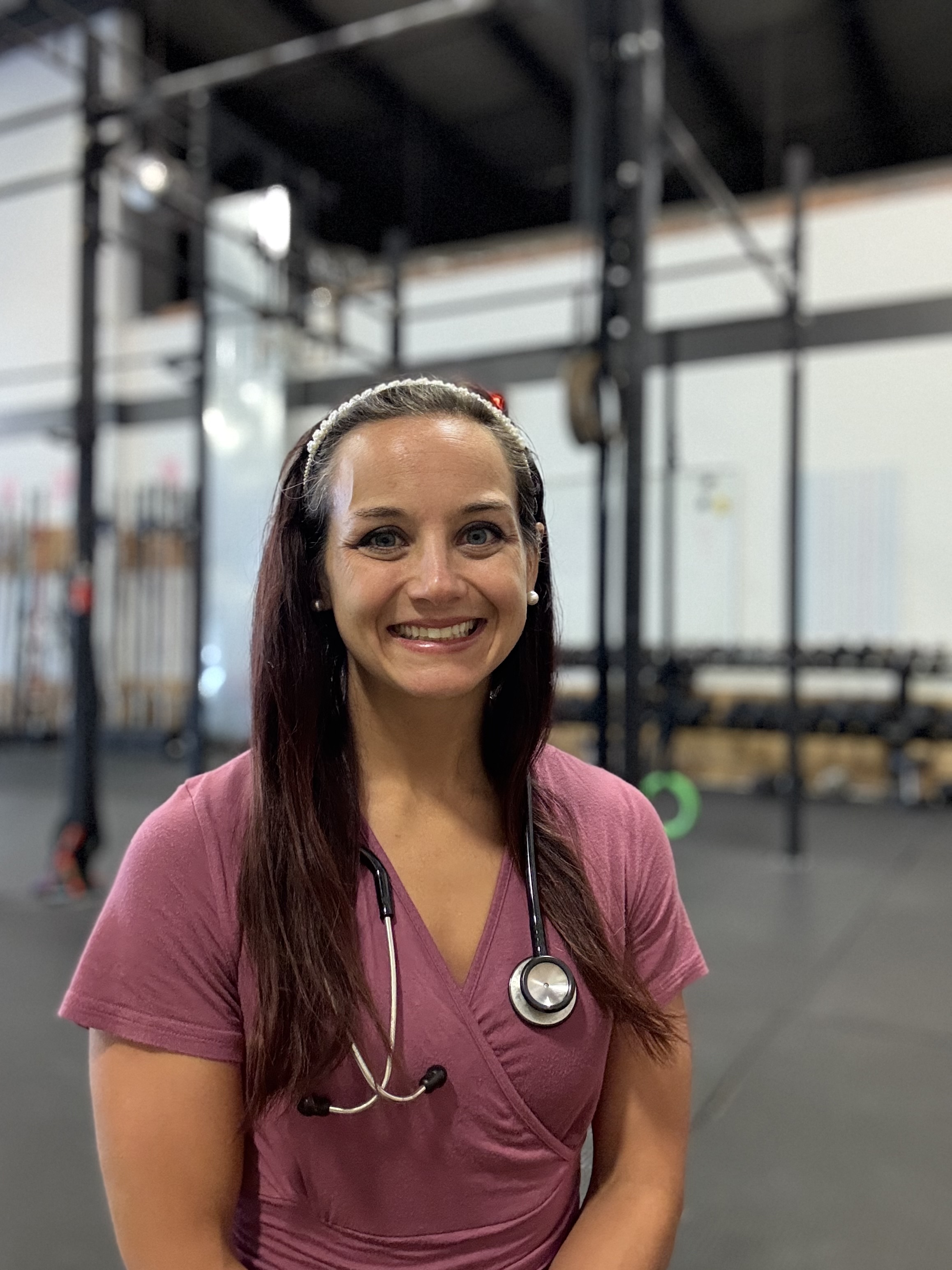
Holmes is a registered dietitian and nurse running Relentless Pursuit Nutrition in Murfreesboro, Tennessee. Her dual clinical background — a Bachelor of Science in Nursing paired with registered dietitian credentials — gives her a systems-level view of patient health that most nutrition practitioners don't have. She doesn't just look at what you eat. She looks at what your hormones are doing, what your labs reveal, what your medications are affecting, how your body is composing itself, and how all of these factors interact to produce the metabolic picture sitting in front of her. By the time she makes a single dietary recommendation, she already knows more about your biology than most diet programs will ever ask about.
The Full Picture Before the First Recommendation
"Overall health is complex and often interconnected with multiple systems at play. When a patient comes to me with health concerns, we start by doing a full intake assessment where we look at hormones, labs, body composition, nutrition, health conditions, medications — as it is often not a one size fits all. We work together to develop a unique plan tailored to their needs."
That "full intake assessment" isn't a 15-minute questionnaire with checkboxes. It's a clinical deep-dive that recognizes what metabolic research has been demonstrating with increasing clarity: weight management outcomes are profoundly influenced by factors that have nothing to do with willpower, discipline, or calorie counting. Thyroid function determines basal metabolic rate. Insulin sensitivity determines how efficiently the body processes carbohydrates. Cortisol levels influence where fat is stored and how readily it's mobilized. Sex hormone ratios affect appetite, satiety signaling, and body composition. Medications — from antidepressants to beta-blockers to corticosteroids — can shift all of these variables independently of diet. A plan that ignores these factors is working with incomplete information, and incomplete information produces incomplete results.
A 2019 systematic review confirmed what Holmes sees in practice every day: individualized nutrition care delivered by dietitians produces significantly greater weight loss and BMI reduction compared to standard dietary advice or usual care.[1] The Academy of Nutrition and Dietetics reinforced this in their evidence-based practice guideline, which analyzed 62 randomized controlled trials and concluded that dietitian-led, individualized behavioral interventions improved BMI, weight loss percentage, waist circumference, blood pressure, and quality of life — with the personalization itself identified as the key differentiator.[2] Understanding what a registered dietitian actually does in practice reveals why this level of clinical assessment outperforms every generic meal plan ever published.
The Misinformation Problem
"It is not a one size fits all. Every person is different. Everyone has different genetics and different stories that make them uniquely them, and therefore their health plan should look different than others. I always tell my clients, a doctor does not prescribe the same pill to every patient, so why would we think that health and nutrition changes are any different. Lots of misinformation out there about this."
The misinformation Holmes references isn't fringe wellness content on social media — though there's plenty of that. It's mainstream. The American diet industry generates roughly $72 billion annually, and its core business model depends on a premise that clinical nutrition science has thoroughly debunked: that a single dietary approach can produce universal results across diverse human metabolisms. Keto. Paleo. Whole30. Intermittent fasting. Mediterranean. Each has produced impressive results — in the specific subset of people whose biology responds favorably to that particular macronutrient ratio, meal timing, or food group emphasis. And each has produced frustrating failure — in the much larger group of people whose biology doesn't.
Recent research in personalized nutrition has quantified just how dramatic these individual differences are. A landmark study published in Nature Medicine demonstrated that individual glycemic responses to identical foods vary by as much as 10-fold between people, driven by differences in gut microbiome composition, genetic polymorphisms, metabolic status, and circadian biology.[3] The bread that spikes one person's blood sugar barely registers in another's. The banana that's a "healthy snack" for someone with normal insulin sensitivity is a metabolic event for someone with early insulin resistance.
For Holmes's patients, this means the keto diet that transformed their coworker's body composition might worsen their insulin sensitivity if their underlying issue is cortisol-driven rather than carbohydrate-driven. The intermittent fasting protocol their friend swears by might spike their cortisol, disrupt their thyroid conversion, and stall fat loss entirely — particularly in women with HPA axis dysfunction. The only way to know what works for this person is to assess this person — their labs, their hormones, their history, their medications, their life circumstances. Understanding what your fasting insulin actually reveals and how to interpret your hormone panel are the kinds of personalized insights that generic diet programs simply cannot provide.
GLPs: A Tool, Not a Solution
"GLPs can be useful in conjunction with diet interventions and while working with a health coach for accountability and symptom management. They are not the enemy, but they are also not the solution for everyone. Goes back to individualized care is key."
In an era where GLP-1 receptor agonists like semaglutide and tirzepatide have become cultural phenomena — dinner party conversation, TikTok trends, celebrity endorsements — Holmes takes the measured position that her training demands. These medications work. The clinical data is unambiguous: semaglutide produces average weight loss of 10-15% of body weight over 68 weeks, with tirzepatide showing even more dramatic results at higher doses.[4] For patients with severe obesity, type 2 diabetes, or cardiovascular risk factors that demand urgent weight reduction, GLP-1 agonists represent a genuinely transformative medical advance.
But the data also reveals a critical caveat that the cultural conversation around these drugs consistently omits: discontinuation and regain. A study published in Diabetes, Obesity and Metabolism found that patients who stopped semaglutide regained approximately two-thirds of their lost weight within one year — suggesting that the medication manages appetite rather than resolving the metabolic factors that drove weight gain in the first place.[5] For patients who can afford and tolerate long-term use, this may be acceptable. For those who view GLP-1 therapy as a temporary intervention that will produce permanent results, the disappointment can be devastating.
This is why Holmes frames GLPs as a tool within a broader individualized plan, not a replacement for one. The medication can reduce appetite and improve glycemic control while the real work happens: building sustainable eating patterns, addressing underlying metabolic drivers like insulin resistance and cortisol-driven fat storage, and creating the behavioral foundation that persists after the prescription ends — or provides a scaffold that makes the prescription more effective for as long as it's used. For anyone navigating the landscape of weight and metabolic health support, Holmes's philosophy — assess everything, assume nothing, and build a plan that belongs to the person sitting in front of you — remains the most evidence-supported path forward, whether GLP-1 therapy is part of that plan or not.
Frequently Asked Questions
What does a comprehensive nutritional intake assessment include?▾
Why do popular diets fail for so many people?▾
Are GLP-1 medications like Ozempic a good option for weight management?▾
How is working with a registered dietitian different from following a meal plan online?▾
References
- 1.Mitchell LJ et al. (2019). Effectiveness of dietetic consultations in primary health care: a systematic review. Journal of the Academy of Nutrition and Dietetics. PubMed ↩
- 2.Academy of Nutrition and Dietetics (2019). Evidence-based practice guideline for the treatment of overweight and obesity in adults. PMC ↩
- 3.Berry SE et al. (2024). Personalised dietary advice based on individual responses improves metabolic outcomes. Nature Medicine. PubMed ↩
- 4.Wilding JPH et al. (2022). Semaglutide 2.4 mg for the treatment of obesity: key elements of the STEP trials. Obesity. PubMed ↩
- 5.Rubino DM et al. (2022). Weight regain and cardiometabolic effects after withdrawal of semaglutide. Diabetes, Obesity and Metabolism. PMC ↩