The Soil From Which Everything Grows: Ana Rodriguez on Why Gut Healing Starts With Foundations, Not Restriction
Naturopathic doctor Ana Rodriguez explains why gut healing starts with sleep, stress, and how you eat — not elimination diets and supplement stacks.
Ana Rodriguez, ND · Naturopathic Doctor, The Kinney Clinic · · 8 min read
Reviewed by Holistic Health Editorial Team, Editorial Board

Key Takeaways
- ✓Gut healing begins with foundations — sleep, stress management, hydration, and how you eat — before supplements or elimination diets.
- ✓Chronic stress directly damages the gut barrier through zonulin production and HPA axis activation, regardless of diet quality.
- ✓Constipation, bloating, and other gut symptoms can have systemic causes like hypothyroidism that standard GI workups miss.
- ✓Supplements should be targeted, therapeutic, and short-term — not lifelong subscriptions driven by social media trends.
- ✓The gut is an ecosystem to be cultivated, not a battlefield to be conquered through restriction.
Ana Rodriguez doesn't start with a stool test. She starts with a question most gastroenterologists never ask: How do you eat? Not what — how. Are you rushing through lunch at your desk? Eating standing over the kitchen counter? Scrolling your phone between bites? For the naturopathic doctor at The Kinney Clinic in Annapolis, Maryland, these habits matter as much as what's on the plate.
It's a philosophy that runs against the grain of modern gut health culture, where the answer to every digestive complaint seems to involve eliminating another food group or adding another supplement. Rodriguez takes a different path — one that begins with the foundations most practitioners skip entirely and builds toward targeted intervention only when the basics are in place.
The Foundations Before the Fix
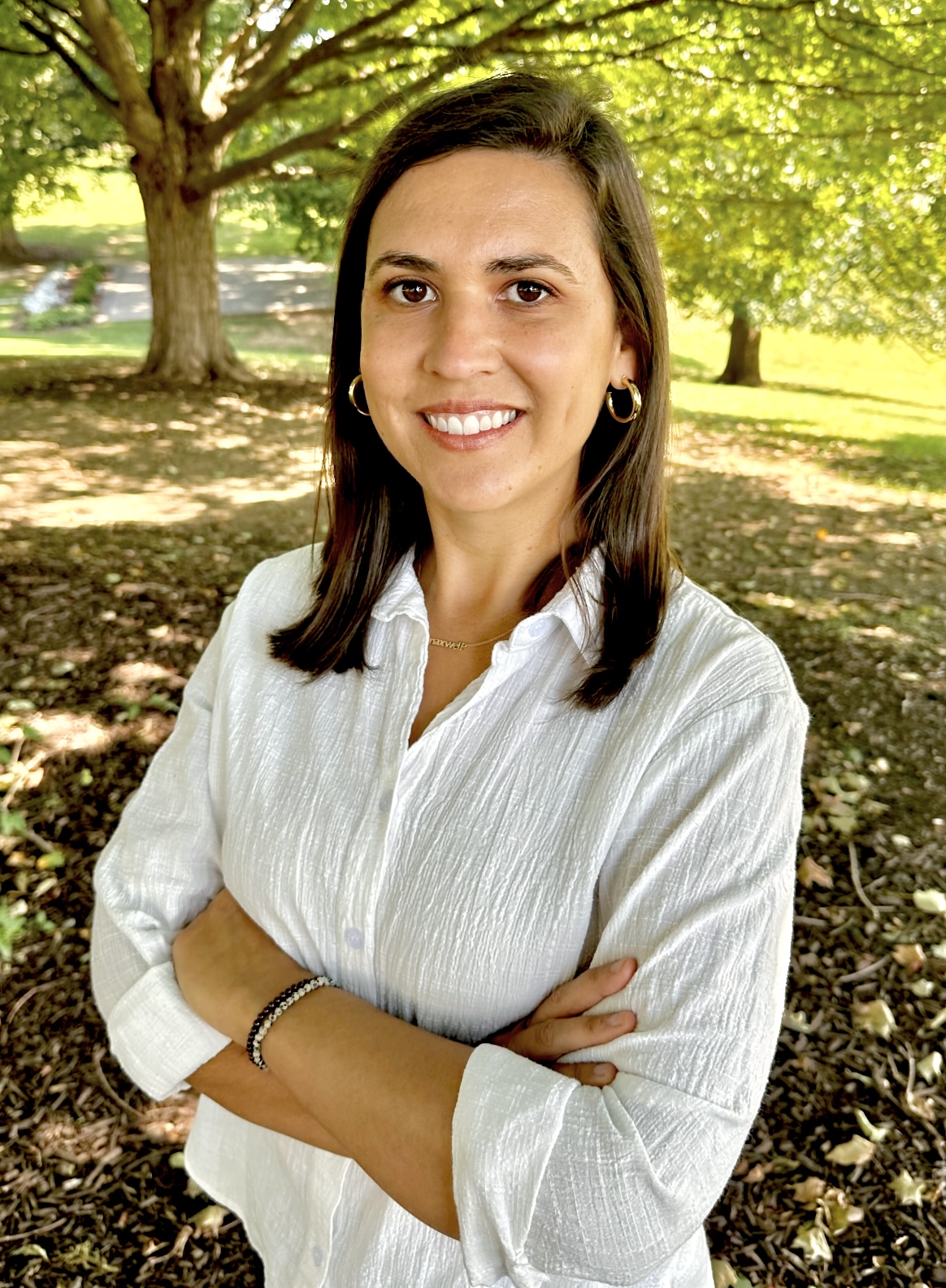
"When a patient comes to me with any type of gut related concern, the first thing that I do is make sure that I am ruling out any red flag type of symptoms that would need to be referred out for higher level workup. I then do a deep dive into the patient's health history including the foundations of health. I look at their sleep and energy, stress levels, movement, water intake, caffeine and alcohol intake, what they eat, and maybe equally as importantly, HOW they eat. All of these things impact gut health and are usually overlooked in a conventional setting. I will then order comprehensive lab testing to gain more insight into the 'why' behind their symptoms. What conventional approaches often miss is a systems-based perspective that could uncover potential systemic causes of gut symptoms. For example, constipation is an often overlooked symptom of hypothyroidism! Ultimately, my goal is not just symptom relief. My goal is to help patients understand their bodies and live optimally."
Rodriguez's emphasis on ruling out red flags first reflects a safety-first approach that distinguishes naturopathic training from wellness influencer culture. But it's her next move — the deep dive into foundational health — that sets her apart from conventional gastroenterology as well. Sleep quality, stress load, movement patterns, hydration, meal timing: these are the variables that drive dysbiosis long before a pathogen or food sensitivity enters the picture.
The science backs her up. A 2019 systematic review in Nutrients found that psychological stress directly alters gut microbiota composition through the gut-brain axis, increasing intestinal permeability and shifting bacterial populations toward pro-inflammatory species.[1] Another landmark study demonstrated that circadian disruption — the kind caused by poor sleep hygiene — independently impairs gut barrier function and microbial diversity.[2] These aren't exotic findings. They're confirmation that the foundations Rodriguez prioritizes are biologically upstream of most digestive symptoms.
Her observation about constipation and hypothyroidism illustrates the systems-based thinking that functional and naturopathic practitioners bring to gut health. Thyroid hormone directly regulates gastrointestinal motility. When T3 levels drop, so does peristalsis — the wave-like contractions that move food through the digestive tract. A patient chasing fiber supplements and laxatives for constipation that's actually driven by subclinical hypothyroidism will never find resolution until someone thinks to check a full thyroid panel.[3]
Healing Without Deprivation
"I wish more people knew that gut healing doesn't have to be extreme or restrictive. There's a lot of noise around cutting out foods or following rigid protocols, but true healing is about consistency, nourishment, and supporting the body in a way that feels sustainable. You can be eating all the 'right' foods, but if you're chronically stressed, rushing through meals, not sleeping well, or constantly in a fight-or-flight state, your gut simply won't function optimally."
This is perhaps Rodriguez's most important message — and the one that runs most directly counter to the gut health content flooding social media. The dominant narrative says healing requires elimination: cut gluten, cut dairy, cut FODMAPs, cut sugar, cut lectins. The list grows until patients are eating five foods and wondering why they still feel terrible.
Rodriguez reframes the conversation around what to add, not what to remove. Consistency over perfection. Nourishment over restriction. The research on intestinal permeability supports this approach: chronic stress activates the hypothalamic-pituitary-adrenal axis, which in turn increases zonulin production and loosens tight junctions between intestinal epithelial cells.[4] In plain language: you can follow the most meticulous elimination diet in the world, but if your nervous system is stuck in fight-or-flight, your gut barrier will remain compromised.
The autonomic nervous system's role in digestion is well-established but often overlooked in practice. Parasympathetic activation — the "rest and digest" state — is required for adequate stomach acid production, enzyme secretion, bile flow, and proper motility. Eating while stressed, distracted, or on the move suppresses all of these processes simultaneously. Rodriguez's question about how patients eat isn't philosophical — it's physiological.
Cutting Through the Noise
"In the age of wellness influencers and social media, people get roped into thinking that they need to spend hundreds of dollars on supplements, take a daily probiotic, and follow very restricted diets. Truthfully, the foundations of health are the building blocks to reducing gut symptoms, and then we layer on supplements and certain dietary protocols in a very intentional, therapeutic, and short-term way. In my opinion, the gut is truly the soil from which everything grows and there are so many small things that we can do in our daily lives to support a healthy gut!"
The supplement industry has turned gut health into a consumer product. Probiotic sales alone exceeded $6 billion globally in 2023, yet the evidence for blanket probiotic use in otherwise healthy individuals remains thin.[5] Rodriguez doesn't reject supplements — she uses them. But she positions them as targeted, time-limited therapeutic tools rather than lifelong subscriptions. This distinction matters for outcomes and for patient autonomy.
Her metaphor of the gut as soil is striking because it implies cultivation, not combat. Where restrictive protocols treat the gut as a battlefield — killing bacteria, starving pathogens, eliminating triggers — Rodriguez's approach treats it as an ecosystem to be tended. Feed it well. Reduce the stressors. Let the biology do what it evolved to do. When intervention is needed, make it intentional and short-term, then return to the foundations.
For patients navigating the overwhelming landscape of gut health advice — IBS versus SIBO, prebiotics versus probiotics, elimination versus reintroduction — Rodriguez offers something increasingly rare: a clear hierarchy. Foundations first. Testing to understand the why. Targeted protocols when indicated. And always, always a return to the basics that make lasting health possible.
Understanding what a naturopathic doctor does helps explain why this approach works. Naturopathic training emphasizes the body's inherent ability to heal when obstacles are removed and foundations are supported. It's not about finding the right supplement stack. It's about creating the conditions where the gut can repair itself — and then trusting the process.
Frequently Asked Questions
Can stress alone cause gut problems even with a healthy diet?▾
Why does my naturopathic doctor ask about sleep and stress before gut symptoms?▾
Should I take a daily probiotic for gut health?▾
How is a naturopathic approach to gut health different from conventional gastroenterology?▾
References
- 1.Madison A, Kiecolt-Glaser JK. Stress, depression, diet, and the gut microbiota. Curr Opin Behav Sci. 2019;28:105-110. PubMed ↩
- 2.Voigt RM, et al. Circadian rhythm and the gut microbiome. Int Rev Neurobiol. 2016;131:193-205. PubMed ↩
- 3.Patil AD. Liver cirrhosis as sequelae of hypothyroidism-induced gut dysmotility. J Clin Exp Hepatol. 2021;11(1):125-126. PubMed ↩
- 4.Fasano A. All disease begins in the (leaky) gut. F1000Res. 2020;9:69. PubMed ↩
- 5.Suez J, et al. The pros, cons, and many unknowns of probiotics. Nat Med. 2019;25(5):716-729. PubMed ↩