Beyond TSH: Tristian Rowe on Why Your Thyroid Lab Work Is Probably Incomplete
Naturopathic doctor Tristian Rowe explains why TSH-only screening misses subclinical and masked hypothyroidism, and how mineral cofactors drive thyroid health.
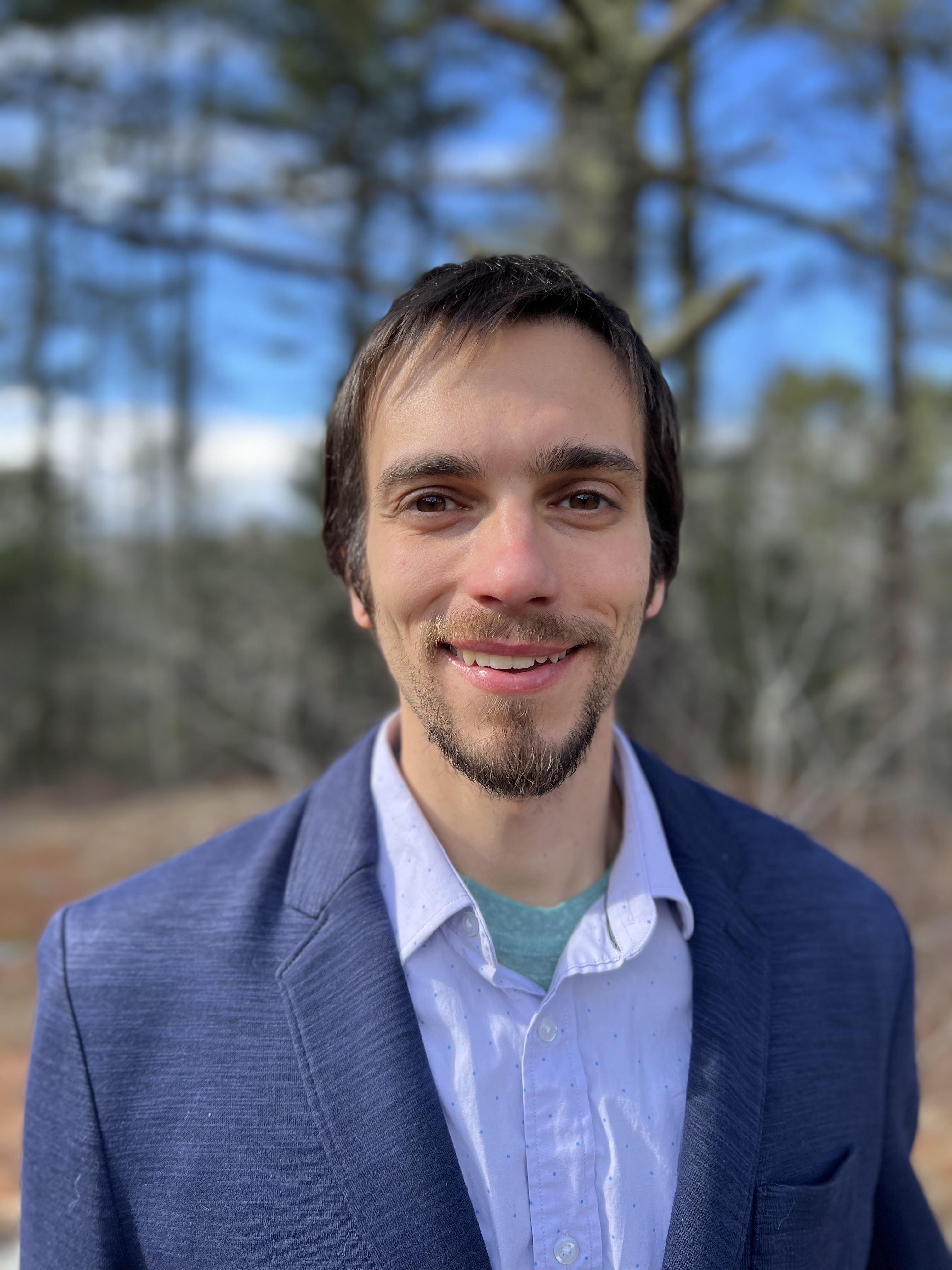
Tristian Rowe, ND · Naturopathic Doctor, Ecologic Medicine · · 9 min read
Reviewed by Holistic Health Editorial Team, Editorial Board

Key Takeaways
- ✓TSH alone misses subclinical and masked hypothyroidism — a full panel including FT4, FT3, and reverse T3 is essential for accurate diagnosis.
- ✓Impaired T4-to-T3 conversion is a common but overlooked cause of persistent hypothyroid symptoms despite normal-looking labs.
- ✓Iodine, selenium, and zinc deficiencies directly cause or worsen thyroid dysfunction and are far more prevalent than most doctors realize.
- ✓Selenium plus myo-inositol is emerging as a significant nutritional therapy for subclinical hypothyroidism and autoimmune thyroiditis.
- ✓Natural desiccated thyroid provides both T4 and T3, offering an alternative for patients who don't respond to levothyroxine alone.
Tristian Rowe has a question for every doctor who has ever told a patient their thyroid is "normal" based on a single lab value: Which thyroid did you actually test? At Ecologic Medicine in Portland, Maine, the naturopathic doctor sees a steady stream of patients who arrive with textbook hypothyroid symptoms — fatigue that sleep doesn't fix, hair falling out in the shower, weight that won't budge despite eating well — and a TSH result their primary care provider called unremarkable.
The problem, Rowe argues, isn't that these patients are imagining their symptoms. It's that the standard screening catches only the most obvious thyroid failures while missing the subclinical, the masked, and the conversion-impaired cases that make up a significant portion of thyroid dysfunction. His approach starts where conventional endocrinology often stops: with a complete picture of what the thyroid is actually doing.
Beyond TSH: The Full Thyroid Picture
"When a patient enters my office with concerns of thyroid disorders, either Hashimoto's, Graves disease, or a general feeling of fatigue, it's important to do a thorough workup for these patients. Most primary care providers base treatment specifically on TSH levels, however, a full panel of TSH, FT4, FT3 and even RT3 deserve to be monitored. There is also a significant population group that have subclinical hypothyroidism (unoptimized TSH and FT4), or masked hypothyroidism (normal TSH, low FT4). There's also individuals what have a difficult time converting FT4 into FT3 either due to genetics or nutritional reasons. So these individuals may not be the best candidates for standard levothyroxine prescriptions and may require alternatives such as combinations with liothyronine, or glandulars such as Armour or NP thyroid. Herbs are a supportive option that pair well with medication management as well."
The distinction between TSH-only screening and a full thyroid panel is not academic — it determines whether patients get help or get dismissed. TSH is a pituitary hormone that signals the thyroid to produce more or less hormone. It's a useful screening marker, but it's indirect. A normal TSH can coexist with inadequate levels of the hormones that actually drive cellular metabolism: free T4 (the storage form) and free T3 (the active form that enters cells and regulates energy production, body temperature, heart rate, and cognition).[1]
Rowe's identification of "masked hypothyroidism" — normal TSH with low free T4 — reflects a pattern increasingly recognized in the literature. A 2020 study in the European Thyroid Journal found that isolated low FT4 with normal TSH occurred in approximately 5-7% of patients screened, and that these patients reported hypothyroid symptoms at rates significantly higher than euthyroid controls.[2] These patients fall through the cracks of standard screening precisely because the one number their doctor checks looks fine.
Interpreting these panels correctly is itself a clinical skill — and one that most conventional labs actively obscure by reporting reference ranges built from statistical population averages rather than functional optima. Understanding which markers to order, what ranges indicate early dysfunction, and how each value interacts with the others is the difference between catching a problem early and watching a patient deteriorate for years. Women in particular face an added layer of complexity: hormonal status, menstrual cycle phase, pregnancy history, and stress load all influence how thyroid markers read at any given moment. Reproductive hormones and thyroid hormones are deeply entangled, which is why a woman who tests normal after a miscarriage or in perimenopause may still be functionally hypothyroid.
Chronic stress compounds the problem in ways that rarely make it into standard workup discussions. Elevated cortisol directly suppresses 5'-deiodinase activity, the enzyme responsible for converting T4 into active T3. Under sustained psychological or physiological stress, the body preferentially shunts T4 toward reverse T3 — an inactive metabolite — rather than usable T3. The net result is a patient with textbook fatigue, cold intolerance, and cognitive fog whose thyroid panel looks acceptable to anyone not measuring RT3 or accounting for how stress affects hormone balance at the enzymatic level. Treating the thyroid in isolation, without addressing the cortisol picture, often produces incomplete results.
The conversion issue Rowe raises is equally critical. The thyroid gland primarily produces T4, which must be converted to T3 in peripheral tissues — primarily the liver, gut, and muscles. This conversion depends on the enzyme 5'-deiodinase, which requires selenium, zinc, and iron as cofactors. When conversion is impaired, patients can have normal TSH, normal FT4, but low FT3 — and they feel every bit of it. Reverse T3 adds another layer: under stress, illness, or inflammation, the body preferentially converts T4 to reverse T3 (an inactive metabolite) instead of active T3, effectively creating hypothyroidism at the cellular level despite normal-looking standard labs.
His point about medication alternatives matters because it directly affects patient outcomes. Levothyroxine (synthetic T4) is the standard first-line treatment, but it only works if the patient can efficiently convert T4 to T3. For those who can't — whether due to genetic polymorphisms in deiodinase enzymes, nutritional deficiencies, or chronic inflammation — natural desiccated thyroid (NDT) preparations like Armour or NP Thyroid provide both T4 and T3 directly, bypassing the conversion step entirely. A 2013 randomized crossover trial found that 49% of patients preferred desiccated thyroid extract over levothyroxine, with improvements in body weight, psychometric testing, and patient satisfaction.[3]
The Mineral Connection Most Doctors Miss
"That mineral cofactors play an exceptional role in hypothyroidism. There is a notable group of patients who do not have Hashimoto's, but have clinical hypothyroidism due to low grade iodine deficiencies. There's also many more people with selenium and zinc deficiencies (important thyroid cofactors) than people realize. Also, herbal and supplemental approaches to Grave's disease can be a supportive first line therapy to modulate hyperthyroidism with routine monitoring."
Rowe's emphasis on mineral cofactors addresses what may be the most under-investigated cause of thyroid dysfunction in clinical practice. Iodine is the raw material for thyroid hormone synthesis — each molecule of T4 contains four iodine atoms, each T3 contains three. While severe iodine deficiency is rare in developed countries thanks to iodized salt, mild-to-moderate insufficiency is far more common than assumed. The National Health and Nutrition Examination Survey (NHANES) data shows that median urinary iodine concentrations in the United States have dropped by more than 50% since the 1970s.[4] Plant-based diets, reduced dairy consumption, and the shift from iodized salt to sea salt and Himalayan salt have all contributed.
Selenium plays a dual role in thyroid health that makes it arguably the most important mineral cofactor after iodine. It's required for the deiodinase enzymes that convert T4 to T3, and it's also essential for glutathione peroxidase — the antioxidant enzyme that protects the thyroid gland from the hydrogen peroxide generated during hormone synthesis. In Hashimoto's thyroiditis, selenium supplementation has been shown to reduce thyroid peroxidase (TPO) antibodies by 20-40% over 6-12 months in multiple randomized controlled trials. Zinc, meanwhile, is required for the nuclear receptors that allow T3 to bind to DNA and exert its effects — without adequate zinc, even normal circulating T3 levels may not translate to normal cellular thyroid function.
Rowe's mention of herbal approaches for Graves' disease is noteworthy because hyperthyroidism treatment options in conventional medicine are limited to antithyroid drugs (methimazole, PTU), radioactive iodine ablation, or surgical thyroidectomy — all of which carry significant side effects or permanent consequences. Botanical therapies like Lycopus virginicus (bugleweed) and Melissa officinalis (lemon balm) have demonstrated TSH-reducing and anti-thyroid activity in preliminary studies, offering a less aggressive first-line option for mild hyperthyroidism that naturopathic doctors can monitor closely while preserving the patient's thyroid tissue.
What conventional thyroid workups rarely account for is the gut's central role in both mineral absorption and immune regulation. A significant portion of T4-to-T3 conversion happens in the intestinal wall and is mediated by gut bacteria that produce their own deiodinase enzymes. Intestinal permeability — leaky gut — disrupts this conversion while simultaneously allowing partially digested food proteins and bacterial fragments into systemic circulation, where they trigger immune activation. In patients with Hashimoto's, this immune activation can become self-sustaining. Molecular mimicry — where immune antibodies generated against food antigens or pathogens cross-react with thyroid tissue — is now a recognized mechanism in autoimmune thyroiditis. Gliadin, the protein found in gluten, shares structural similarities with thyroid peroxidase, which may explain why a meaningful subset of Hashimoto's patients see measurable reductions in TPO antibodies after adopting a gluten-free diet. Addressing gut integrity is not a fringe consideration for thyroid patients — it may be foundational.
The Selenium-Inositol Frontier
"The newest studies are showing that selenium combination with myo-inositol for thyroid disorders is significant and will likely be a mainstay approach in the coming years."
Rowe is tracking the leading edge of thyroid research with this observation. Myo-inositol is a naturally occurring sugar alcohol that acts as a second messenger in the TSH signaling cascade — it's essentially the molecule that carries TSH's instructions inside the thyroid cell. When myo-inositol levels are inadequate, the thyroid gland becomes less responsive to TSH stimulation, creating a functional hypothyroidism even when TSH levels are elevated (the signal is sent but not received).
A 2017 randomized controlled trial published in the European Review for Medical and Pharmacological Sciences found that the combination of myo-inositol (600mg) and selenium (83mcg) significantly reduced TSH levels and improved thyroid function in patients with subclinical hypothyroidism after six months, with effects comparable to low-dose levothyroxine.[5] Subsequent studies have replicated these findings, and the combination has shown particular promise in patients with autoimmune thyroiditis, where it reduced both TSH and TPO antibodies simultaneously — something levothyroxine alone does not accomplish.
The clinical implications are significant. For the millions of patients with subclinical hypothyroidism — where TSH is mildly elevated but free hormone levels remain in range — the current standard of care is often "watchful waiting" or early levothyroxine. A well-tolerated nutritional intervention that addresses both the hormonal and autoimmune components of early thyroid disease could change the treatment paradigm entirely. Rowe's prediction that this will become a "mainstay approach" is well-supported by the trajectory of the research.
The thyroid also rarely operates in a vacuum. Estrogen dominance increases thyroid-binding globulin, reducing the fraction of free — and therefore active — thyroid hormone in circulation. Progesterone deficiency blunts thyroid receptor sensitivity. Insulin resistance generates chronic low-grade inflammation that impairs T3 uptake at the cellular level. For patients managing multiple hormonal concerns simultaneously, the thyroid piece only becomes clear when the full endocrine picture is in view. Balancing hormones naturally requires exactly this kind of systems thinking: not chasing individual markers in isolation, but understanding how each gland and each metabolic pathway influences the others.
For patients who have been told their fatigue, weight gain, or brain fog is "just stress" — or who have been started on levothyroxine without improvement — Rowe's approach offers a different path. It begins with looking at the full picture rather than a single number, investigates the mineral and nutritional foundations that conventional screening ignores, and employs targeted interventions based on what the complete data actually shows. It's the kind of thorough, individualized care that the thyroid — a gland that influences virtually every cell in the body — deserves.
Frequently Asked Questions
Why is my TSH normal but I still feel hypothyroid?▾
What minerals are most important for thyroid health?▾
What is the difference between levothyroxine and natural desiccated thyroid?▾
Can supplements help with Hashimoto's thyroiditis?▾
References
- 1.Jonklaas J, et al. Guidelines for the Treatment of Hypothyroidism. Thyroid. 2014;24(12):1670-1751. PubMed ↩
- 2.Meuwese LL, et al. Clinical relevance of low-normal free thyroxine concentrations. Eur Thyroid J. 2020;9(5):241-248. PubMed ↩
- 3.Hoang TD, et al. Desiccated thyroid extract compared with levothyroxine in the treatment of hypothyroidism. J Clin Endocrinol Metab. 2013;98(5):1982-1990. PubMed ↩
- 4.Caldwell KL, et al. Iodine status of the U.S. population, NHANES 2003-2004 to 2011-2012. Thyroid. 2013;23(2):13-14. PubMed ↩
- 5.Nordio M, Basciani S. Myo-inositol plus selenium supplementation restores euthyroid state in Hashimoto's patients. Eur Rev Med Pharmacol Sci. 2017;21(2 Suppl):51-59. PubMed ↩