The Immune Storm Has a Source: Julianna Giles on Trauma, Toxins, and Autoimmune Recovery
Naturopathic doctor Julianna Giles explains why trauma history and environmental toxin burden are the most overlooked drivers of autoimmune conditions—and how to address them.
Julianna Giles, ND, MSAS · Naturopathic Doctor, Neuroveda Health · 9 min read
Reviewed by Holistic Health Clinical Team
Key Takeaways
- ✓Dr. Julianna Giles identifies trauma history as the single most important—yet most overlooked—variable in the development of autoimmune conditions.
- ✓Environmental toxin burden is the second most prevalent contributor to autoimmunity, requiring both exposure cessation and active detoxification.
- ✓Autoimmune conditions are always multifactorial, requiring the underlying contributors to be uncovered and corrected before the immune system can self-regulate.
- ✓The incidence of low-grade and undifferentiated autoimmune conditions has increased dramatically, likely driven by biotoxin accumulation in our environments.
- ✓Somatic work, mind-body medicine, and trauma-informed therapies—including psychedelic-assisted psychotherapy—can help resolve the systemic dysregulation that fuels immune-mediated disease.
Expert Perspective
“Autoimmune conditions — like any other chronic, multisystem illness — are always multifactorial in etiology. When treating autoimmune conditions, their underlying contributors must first be uncovered and subsequently corrected or rebalanced before the conditions themselves will also respond by self-correcting and re-regulating. In my clinical practice, the single most important (yet most highly overlooked) variable in the development of autoimmune conditions is a significant trauma history, which must always be addressed before the immune-mediated attack will resolve. Another frequent contributor to the development of autoimmune conditions is a high environmental toxin burden, which always requires exposure cessation and detoxification. When these issues are addressed, the vast majority of people’s health improves dramatically. The third most prevalent contributor to the development of autoimmunity is a high chronic infectious burden, which must be reduced for the immune storm to calm.”
“I wish more people understood how prevalent autoimmune conditions have become, particularly low-grade/undifferentiated autoimmune conditions. The incidence of these conditions has increased dramatically, and in my medical opinion, this is strongly associated with biotoxin accumulation caused by the high toxin burden present in our ecosystem and homes. All of these variables must be adjusted before people’s immune systems are able to relearn to self-regulate appropriately.”
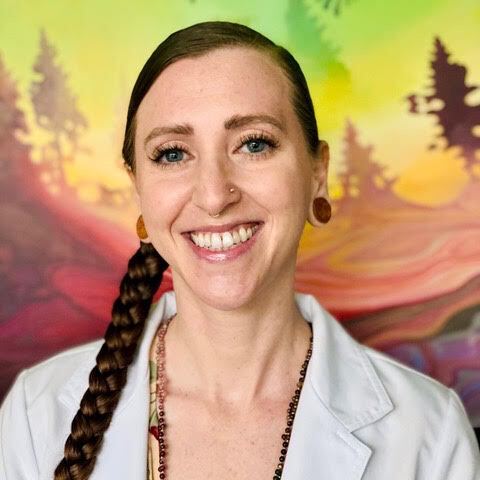
Most autoimmune patients arrive at Dr. Julianna Giles's office in Seattle having already seen half a dozen specialists. They have a diagnosis—or sometimes several—and a medication list that manages symptoms without ever asking why the immune system turned on itself. Dr. Giles, a naturopathic doctor with a Master of Science in Applied Statistics, asks the question most providers skip entirely: what happened to you?
At Neuroveda Health, Dr. Giles treats autoimmune conditions not as isolated diseases but as downstream consequences of unresolved upstream triggers. Her clinical framework centers on three primary contributors that she has found drive the vast majority of autoimmune presentations: trauma history, environmental toxin burden, and chronic infectious load. It's an approach that challenges the conventional model—and one that research is increasingly validating.
The Multifactorial Nature of Autoimmunity
"Autoimmune conditions — like any other chronic, multisystem illness — are always multifactorial in etiology. When treating autoimmune conditions, their underlying contributors must first be uncovered and subsequently corrected or rebalanced before the conditions themselves will also respond by self-correcting and re-regulating. In my clinical practice, the single most important (yet most highly overlooked) variable in the development of autoimmune conditions is a significant trauma history, which must always be addressed before the immune-mediated attack will resolve. Another frequent contributor to the development of autoimmune conditions is a high environmental toxin burden, which always requires exposure cessation and detoxification. When these issues are addressed, the vast majority of people's health improves dramatically. The third most prevalent contributor to the development of autoimmunity is a high chronic infectious burden, which must be reduced for the immune storm to calm."
Dr. Giles's assertion that trauma is the most overlooked variable in autoimmune disease may sound provocative, but the evidence is compelling and growing. A 2025 systematic review and meta-analysis published in Brain, Behavior, and Immunity examined the association between childhood adversity and autoimmune disease in adulthood, finding a statistically significant link across multiple autoimmune conditions.[1] The mechanism isn't mysterious: chronic stress from unresolved trauma keeps the hypothalamic-pituitary-adrenal (HPA) axis in overdrive, dysregulates cortisol patterns, and shifts immune function toward the kind of chronic, low-grade inflammatory state that sets the stage for autoimmune activation.
A separate scoping review in Seminars in Arthritis and Rheumatism specifically examined the link between traumatic stress and autoimmune rheumatic diseases, confirming that both PTSD and significant life trauma are associated with increased risk of conditions like rheumatoid arthritis and systemic lupus erythematosus.[2] What makes Dr. Giles's approach distinctive is her insistence that you can't treat around the trauma—it must be addressed directly before the immune system will stand down. This is a departure from conventional rheumatology, which typically manages the immune response with medication while the underlying trigger continues to drive disease.
Her framework also identifies environmental factors and chronic infections as key contributors. Research on adverse childhood experiences (ACEs) and multiple sclerosis development has identified specific mechanisms by which early-life toxic stress creates lasting immune vulnerability—including epigenetic changes, altered gut microbiome composition, and disrupted blood-brain barrier integrity.[3] Each of these mechanisms represents a potential treatment target in naturopathic autoimmune care.
The Rising Tide of Environmental Autoimmunity
"I wish more people understood how prevalent autoimmune conditions have become, particularly low-grade/undifferentiated autoimmune conditions. The incidence of these conditions has increased dramatically, and in my medical opinion, this is strongly associated with biotoxin accumulation caused by the high toxin burden present in our ecosystem and homes. All of these variables must be adjusted before people's immune systems are able to relearn to self-regulate appropriately."
The epidemiology supports Dr. Giles's observation. Autoimmune disease incidence has been rising globally for decades, with rates increasing faster than genetics alone can explain. Environmental exposures—including industrial chemicals, heavy metals, pesticides, and indoor biotoxins like mold—have emerged as significant contributors to this trend.[4] The mechanism often involves molecular mimicry, where environmental antigens structurally resemble the body's own proteins, confusing the immune system into attacking self-tissue.
Dr. Giles's focus on undifferentiated autoimmune conditions is particularly relevant. Many patients experience autoimmune-type symptoms—joint pain, fatigue, brain fog, skin changes, cognitive dysfunction—without meeting the full diagnostic criteria for a named autoimmune disease. Conventional medicine often struggles with these cases, leaving patients in diagnostic limbo. Dr. Giles treats the pattern rather than waiting for a label, recognizing that the immune dysregulation is real regardless of whether it fits a textbook category.
Her emphasis on biotoxin accumulation connects to a broader understanding of how modern environments overwhelm the body's detoxification capacity. When the liver, kidneys, and lymphatic system can't keep pace with incoming toxins, these substances accumulate in tissues and chronically stimulate the immune system. The result can be a slow-building inflammatory state that eventually tips into autoimmunity—especially in individuals who also carry intestinal permeability or a trauma-driven stress response. Understanding what a naturopathic doctor does helps clarify why this whole-systems approach differs fundamentally from conventional immunology.
Healing the Whole Person—Trauma and All
"If you have a trauma history and also struggle with an immune-mediated disease, do not dismay! There are many ways to learn to process and integrate your trauma so that it can no longer cause unnecessary systemic dysregulation. A strong and courageous focus on somatic work, mind-body medicine, and trauma-informed therapies (including psychedelic-assisted psychotherapy) will always yield results and pay dividends for years to come. Invest in yourSelf; you are worth it and you won't regret it, I promise!"
What's striking about Dr. Giles's closing message is its directness and hope. She doesn't minimize the difficulty of confronting trauma—she calls it courageous—but she's unequivocal that the work pays off. Her recommendation of somatic therapies aligns with a growing body of research showing that body-based approaches to trauma processing can reduce inflammatory markers and improve immune regulation in ways that talk therapy alone sometimes cannot.
The inclusion of psychedelic-assisted psychotherapy reflects the cutting edge of trauma-informed care. While still navigating regulatory pathways, research institutions are generating evidence that substances like psilocybin and MDMA can facilitate deep trauma processing in supervised therapeutic settings. For autoimmune patients whose disease is driven by unresolved trauma, these emerging modalities represent potential tools for addressing root causes that have resisted conventional treatment.
Dr. Giles's deliberate capitalization of "yourSelf" in her message speaks to something beyond clinical advice—it's a philosophy of care that sees the person as fundamentally whole and capable of healing, even when the immune system has gone haywire. For patients who've been told their autoimmune condition is something to manage rather than resolve, her approach at Neuroveda Health offers a different story: one where uncovering and addressing the real drivers of disease can lead to dramatic improvement. The immune storm does have a source. And finding it changes everything.
Frequently Asked Questions
How can trauma cause autoimmune disease?▾
What role do environmental toxins play in autoimmune conditions?▾
What is an undifferentiated autoimmune condition?▾
Can psychedelic-assisted therapy help with autoimmune conditions?▾
How does a naturopathic doctor approach autoimmune conditions differently?▾
References
- 1.Jesuthasan J, et al. Childhood adversity as a risk factor for autoimmune disease: A systematic review and meta-analysis with implications for psychiatry. Brain Behav Immun. 2025;128:643-653. PubMed ↩
- 2.Ploesser M, Silverman S, et al. The link between traumatic stress and autoimmune rheumatic diseases: A systematic scoping review. Semin Arthritis Rheum. 2024;69:152558. PubMed ↩
- 3.Eid K, Bjørk MH, Gilhus NE, Torkildsen Ø. Adverse Childhood Experiences and the Risk of Multiple Sclerosis Development: A Review of Potential Mechanisms. Int J Mol Sci. 2024;25(3):1520. PubMed ↩
- 4.Environmental exposures and rising autoimmune incidence: a review of mechanisms and epidemiological trends. Front Immunol. 2025. PubMed ↩